Building Self-Discipline: Essential Strategies for Motivation, Consistency, and Overcoming Challenges
Estimated reading time: 5 minutes
Key Takeaways
Understanding the difference between motivation and discipline is key.
Implementing structured daily routines can greatly enhance self-discipline.
Reflective practices help maintain long-term motivation and focus.
Table of Contents
Introduction
Background & Context
Understanding Self-Discipline and Motivation
Enhancing Self-Discipline
Techniques and Tools for Building Self-Discipline
Overcoming Challenges in Self-Discipline
Practical Tips: Checklist for Daily Self-Discipline
Conclusion & Call-to-Action
Introduction
Self-discipline is the cornerstone of personal and professional accomplishment. While motivation can get you started, discipline ensures you stay consistent long after initial excitement fades. This guide explores practical strategies, tools, and reflective practices to help you strengthen your self-discipline, maintain motivation, and achieve consistency in everyday life.
Background & Context: Understanding the Foundation
Self-discipline is the ability to push yourself forward, stay focused on goals, and maintain momentum regardless of mood or circumstance.
Motivation: The internal process that sparks action toward a goal.
Discipline: The structured, repeated practice of doing what needs to be done—even when you don’t feel like it.
In short, motivation starts the engine, but discipline keeps it running. While successful individuals rely on both, discipline is what sustains them over time.
Understanding Self-Discipline and Motivation
Self-discipline and motivation work hand-in-hand:
Discipline builds momentum by ensuring you follow through on actions.
Consistent habits amplify the emotional fuel that motivation provides.
When combined, they create a feedback loop that strengthens long-term focus and resilience.
Without discipline, motivation fades quickly. Without motivation, discipline feels rigid. Finding a balance between the two is crucial.
Enhancing Self-Discipline
To strengthen discipline:
Set clear, realistic goals – Know your “why” and write it down.
Break tasks into smaller steps—micro-goals reduce overwhelm.
Build supportive routines—anchor habits into daily life (morning ritual, exercise, and planning).
Use delayed gratification—reward progress after completing tasks, not before.
Reflect regularly—journaling or weekly reviews help track growth and course-correct.
Techniques and Tools for Building Self-Discipline
Here are proven ways to make discipline stick:
Daily Routines: Structure your mornings and evenings to create stability.
Habit Tracking: Use apps like Habitica, Streaks, or a simple notebook to measure progress.
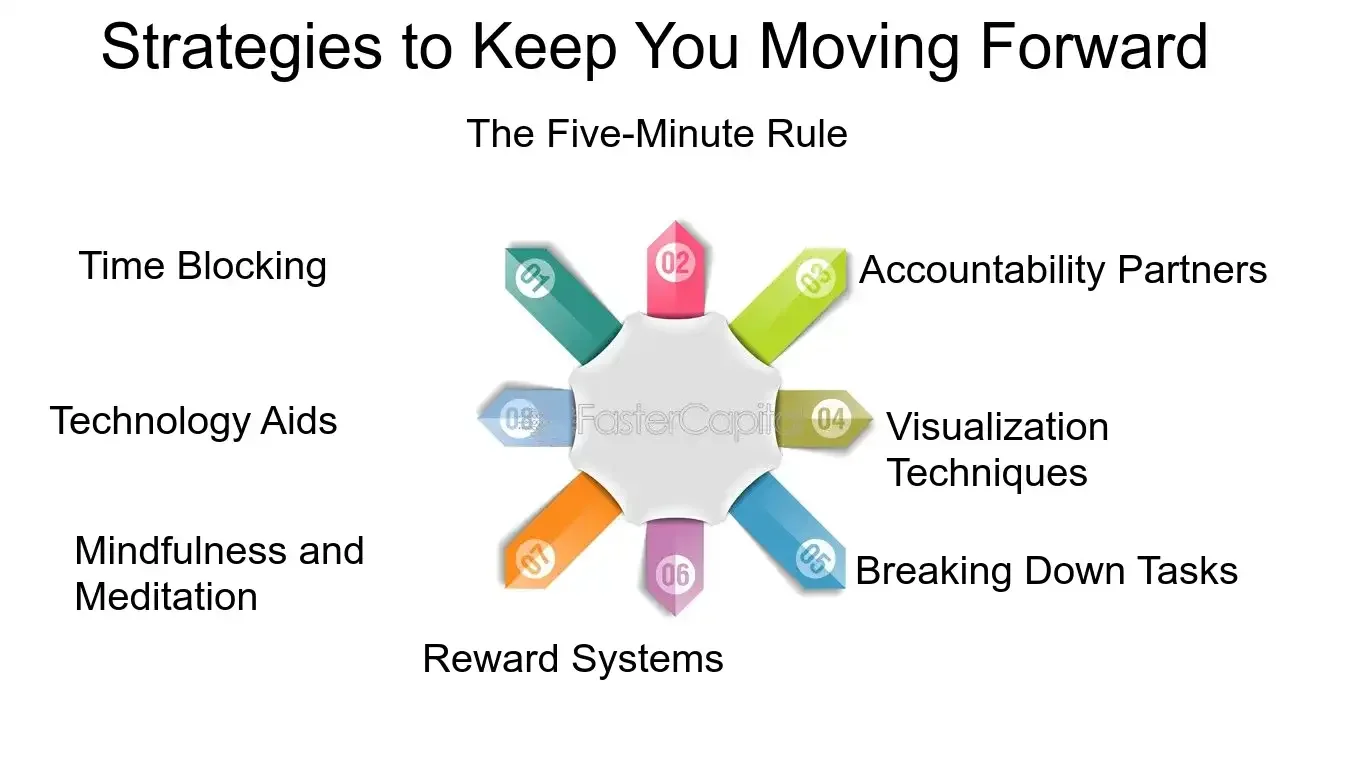
Time Blocking: Schedule specific hours for focused work.
Accountability Partners: Share your goals with a trusted friend or peer group.
Digital Aids: Tools like Google Calendar, Trello, or Notion can help keep tasks organized.
Overcoming Challenges in Self-Discipline
Common barriers—and how to tackle them:
Procrastination: Apply the 2-minute rule—start any task for just two minutes.
Burnout: Balance work with recovery; discipline includes knowing when to rest.
Distractions: Design an environment that reduces interruptions (notifications off, workspace setup).
Negative Self-Talk: Replace “I can’t” with “I’m learning to.”
Practical Tips: Checklist for Daily Self-Discipline
✅ Start the day with one non-negotiable habit (exercise, journaling, or planning).
✅ Limit multitasking—focus on one key task at a time.
✅ Use a habit tracker to visualize progress.
✅ Reward small wins for staying motivated.
✅ Reflect at night: What went well? What needs adjustment?
Conclusion & Call-to-Action
Discipline isn’t about perfection—it’s about persistence. By structuring routines, integrating motivation, and applying tools that reinforce consistency, you can build a disciplined mindset that carries you toward personal and professional success.
Call to Action: Start small today. Choose one habit you can commit to for the next seven days, track it, and see how momentum builds.